Mallorca Restricted Caves - Science & Conservation
Learn about Cova de la Gleda, Pas de Vallgornera, and environmental preservaton rules.
Learn about Cova de la Gleda, Pas de Vallgornera, and environmental preservaton rules.
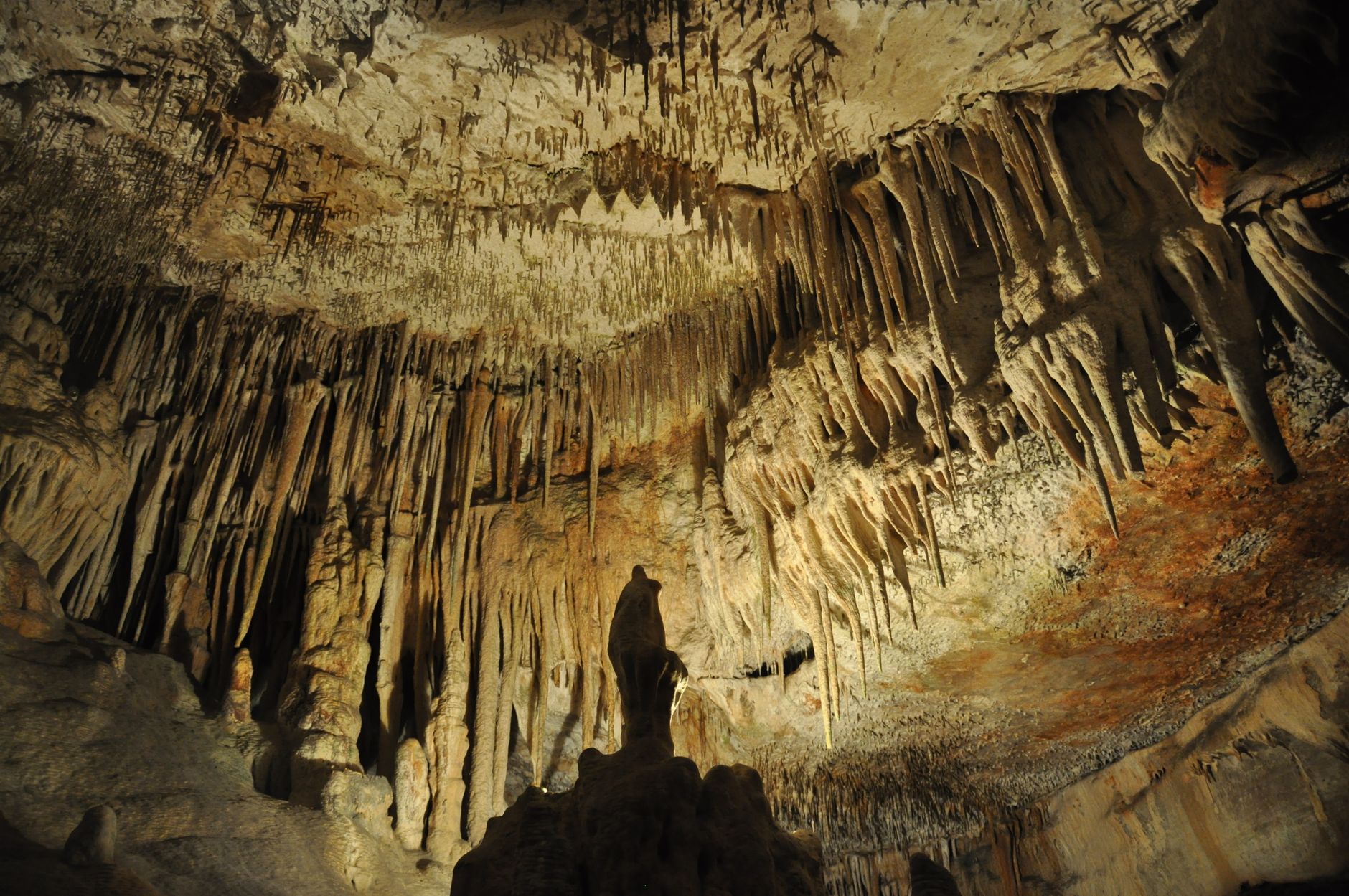
Mallorca's limestone landscapes contain fragile karst ecosystems that house rare endemic species and ancient mineral structures. While geological tourism supports the local economy, certain cave systems are too delicate for commercial visits. To protect these natural resources, the Balearic Government and scientific associations have classified several systems as strictly restricted.
Located near Manacor, Cova de la Gleda is nearly 11,000 meters long, making it the largest submerged cave system on the European continent. The system contains massive freshwater and saltwater galleries. This system is strictly closed to the general public, reserved exclusively for advanced scientific research and speleological mapping. Trespassing is dangerous and illegal.
This extensive cave system in Llucmajor is environmentally protected due to its fragile mineral structures and unique endemic fauna. It has over 74 kilometers of mapped galleries. The system is closed to standard tourism to prevent damage to its mineral deposits. It is among the caves you cannot enter into, as access is limited to research teams with official permits from the Environment Department.
Attempting to access restricted caves without official authorization violates local environmental laws. Fines can reach significant amounts to protect the subterranean habitats.
Mallorca catalogues well over two hundred limestone fractures and marine caverns, yet merely five operate safely as public show attractions. The remaining delicate systems stay off-limits to casual walkers under strict Balearic environmental protection enforced by the regional Conselleria de Medi Ambient. Locking steel grilles at cavern mouths is not bureaucracy for its own sake. Uncontrolled body heat, camera flashes, muddy boots, and dropped litter harm fragile subterranean mineral growth and sensitive cave fauna.
Unauthorized trespass carries heavy municipal fines alongside real risk of lethal rescue missions. Even experienced weekend divers get disoriented inside silt-clouded halocline tunnels where fresh rainwater floats atop dense Mediterranean brine.
Discovered unexpectedly in 1968 near S'Estanyol and Cala Pi in Llucmajor, Coves des Pas de Vallgornera ranks as the longest known cave system anywhere in the Balearic Islands. Cartographers and technical teams have logged more than 74 kilometers of winding horizontal and semi-flooded galleries meandering through porous Miocene reef limestone.
European conservation agencies list Vallgornera as a Natura 2000 Site of Community Importance. Paleontologists documented precious fossil beds inside its lower decks (including remains of extinct Myotragus balearicus), while fragile aragonite needles and speleothems line its sealed vaults. Zero tourist permits exist; only accredited scientific teams holding regional research decrees step beyond its locked shafts.
Stretching close to 11,000 meters across Manacor municipality between Cala Romàntica and Cales de Mallorca, Cova de sa Gleda (linked to Camp des Pou) stands as Europe's longest mostly submerged cave network. Deep siphons preserve white, untouched underwater stalagmites created during lower glacial sea levels thousands of years ago. Recreational open-water divers are strictly banned; official marine permits remain reserved solely for geological monitoring and university biology studies.
Want legal subterranean awe without damaging protected biology? Visit engineered illuminated walks at Cuevas del Drach, explore unspoiled dry chambers at Cuevas de Campanet, or book an insured, small-group excursion through our adventure caving guide and vetted tour directory.
Visitors often wonder how delicate icicle-shaped dripstones could form ten to twenty meters underwater inside Cova de sa Gleda and the deep galleries of Vallgornera. Dripstone calcium minerals only crystallize in dry, air-filled caverns where dripping rainwater evaporates slowly over millennia. During colder Ice Age intervals when global glaciers locked up ocean volume, Mediterranean coastal water dropped roughly a hundred meters below present levels, leaving Mallorca's karst passages high and dry.
When polar ice melted and sea level surged back to modern shorelines, seawater quietly flooded lower limestone mazes, sealing delicate phreatic overgrowths on submerged stalactites in near-zero light and ultra-stable brine/freshwater layers.
Opening underwater halocline corridors to recreational crowds would destroy millennia of undisturbed crystal chemistry within weeks through air bubbles, stirred clay silt, and stray flippers. Respecting padlocked steel gates ensures tiny blind endemic crustaceans (such as rare cave-adapted fauna documented by Balearic researchers) survive safely beneath southern and eastern cliffs.
Every curiosity can still be satisfied ethically at engineered show chambers built specifically for daily foot traffic. Compare dramatic lake acoustics at Cuevas del Drach, unspoiled formations in Campanet, urban magnesium clusters at Génova, or free coastal limestone walks.