Unveiling Mallorca's Silent Subterranean Giants
A practical expat guide to the five commercial walking caves and coastal adventure systems across Mallorca.
A practical expat guide to the five commercial walking caves and coastal adventure systems across Mallorca.
Skip queue delays and secure round-trip transport with these vetted local excursions.
Welcome to Mallorca Caves, the independent directory focused on helping travelers explore the spectacular limestone chambers under the surface of our island. My name is Laura Vance. As a British expat and geological researcher living in Mallorca for six years, I have walked, crawled, and swam through dozens of local cave systems. While there are more than two hundred cataloged cavities, only five primary systems are accessible to general tourists via commercial walking paths.
This site is a resource I created to help independent travelers avoid costly tourist traps, manage transit schedules, and prepare for the physical requirements of subterranean travel. Many tourists arrive expecting simple walks, only to find themselves navigating steep, damp stone staircases in high humidity without appropriate footwear. This guide aims to clear up these details so you can plan the perfect excursion.
The temperature inside Mallorca's cave chambers remains stable at 17°C to 21°C year-round. When midday summer heatwaves exceed 30°C in the interior towns like Manacor, a cave visit is the perfect undergroud escape to cool down.
Cuevas del Drach is the most famous Miocene cavern system on the island. It houses Lake Martel, an enormous underground water basin. A highlight is the live classical string quartet concert played from illuminated rowboats. The 1,200-meter walk is self-guided, ending at the natural lake amphitheater. Standard online entry ticket rates are €17.50 (~$19.08) for adults, and walk-up box office rates cost €18.50 (~$20.17). More details are available on the Cuevas del Drach guide.
Discovered in 1905 by Pedro Caldentey, Cuevas dels Hams is famous for its unique hook-shaped stalactites. The tour has three main zones: the Round Cave botanical garden, the Blue Cave educational video projection rooms, and the Classic Cave containing the Sea of Venice lake. Online booking tariffs start at €17.00 (~$18.53). It is situated along Ma-4020, making it a site you must go to if you are exploring the eastern coast. Details can be found in our Cuevas dels Hams guide.
Cuevas de Artà has one of the highest natural cavern entrances in Europe, positioned 50 meters up a sea cliff overlooking Canyamel Bay. The guided tour visits massive chambers like Hell and Purgatory. The highlight is the 22-meter stalagmite known as the Queen of Columns. Entry tickets cost €17.00 (~$18.53) for adults. Physical warning: the entrance has a steep stone staircase that can be very demanding. Read the full Cuevas de Artà guide.
Situated in northern Mallorca at the foot of the Tramuntana mountains, Cuevas de Campanet focuses on preserving its thin white calcareous formations without artificial laser shows or loud music. It is a quiet, authentic alternative to the commercialized east coast caves. Entry tickets are €17.00 (~$18.53) for adults. Visitors can pair the trip with a visit to the nearby Ses Fonts Ufanes springs. Detailed instructions are in the Cuevas de Campanet guide.
Cuevas de Génova is the smallest cave system, located in a residential neighborhood of Palma. Discovered during the digging of a water cistern in 1906, it is famous for its rare magnesium clusters. Entry is €12.00 (~$13.08) for adults, and the descent is via steep damp steps beneath the Ses Coves restaurant. View our Cuevas de Génova guide.
| Cave Name | Location | Adult Ticket | Key Highlight | Physical Demand |
|---|---|---|---|---|
| Drach | Porto Cristo | €17.50 (~$19.08) | Lake Martel concert | Easy-Moderate |
| Hams | Manacor | €17.00 (~$18.53) | Fishhook formations | Easy |
| Artà | Canyamel | €17.00 (~$18.53) | 22m Queen of Columns | High (Steep steps) |
| Campanet | Campanet | €17.00 (~$18.53) | Thin white stalactites | Moderate |
| Génova | Palma | €12.00 (~$13.08) | Magnesium clusters | High (Descent) |
A common source of confusion is the difference between standard tourist show caves and marine adventure caves. The five walking caves mentioned above have built-in walkways, railings, lighting systems, and ticketing booths. You do not need specialized gear to visit them, although sturdy footwear is required to prevent slipping on damp pathways.
If you are looking for sea caving, snorkeling, or boat excursions, Mallorca has coastal adventure systems like the Blue Cave (Cova Blava) in Cabrera, Cova de na Genovesa near Palmanova, and Cova des Coloms (the Dinosaur Cave) in Mallorca's east coast. These adventure caves require wet suits, headlamps, and certified local guides, as entry involves swimming or kayaking. For safety reasons, you should never attempt to swim into marine caves alone. Details on these experiences are available in the Sea Caves & Adventure guide.
External weather is important for planning your itinerary. While cave interiors remain stable, heavy rainfall can cause local road closures, parking issues, or rising water levels in restricted speleological systems. Below is the real-time weather widget for the island to help you schedule your cave trips.
For travelers looking for a free, uncommercialized walk, Coves Blanques near Porto Cristo provides a coastal path leading to old seaside cave shelters used by fishermen. This walk does not require admission tickets. To prevent navigation mistakes, verify the route maps on the Coves Blanques walk guide.
Every show cave sets independent municipal or private admission rates. Online tickets reduce wait times and lower per-person cost at the busiest eastern basin entrances. Expect minor box-office surcharges when paying at the counter.
At Cuevas del Drach, adult admission costs €17.50 (~$19.08) online versus €18.50 (~$20.17) on site, while children aged three to twelve pay €10.50 (~$11.45) online or €11.50 (~$12.54) at the window. Neighboring Cuevas dels Hams sells direct web tickets at €17.00 (~$18.53) for adults and €11.00 (~$11.99) for youth, rising to €18.00 (~$19.62) for third-party walk-up tickets. Adult entry with Dinosaurland access next door starts from €25.00 (~$27.25).
Northern and eastern cliff caverns keep flat pricing across the year. Cuevas de Artà charges €17.00 (~$18.53) for standard visitors aged thirteen and over, €10.00 (~$10.90) for children aged seven to twelve, and offers discounted Balearic resident fares of €13.00 (~$14.17) and €8.00 (~$8.72) upon presenting DNI identification. Cuevas de Campanet matches the €17.00 (~$18.53) adult rate with €9.00 (~$9.81) youth tickets, while compact Cuevas de Génova remains Mallorca's best-value subterranean stop at €12.00 (~$13.08) per adult and €7.00 (~$7.63) per child.
Do not cram five caves into one day. Highway distances look tiny on a phone map, yet coastal roundabouts and mountain two-lanes stretch drive times quickly. Plan by geographic quadrant instead.
Porto Cristo serves as the obvious anchor for eastern sightseeing. Pair a 10:00 morning entry at Cuevas del Drach with an afternoon stop at Cuevas dels Hams along Carretera Ma-4020, leaving time for a quiet free stroll along Coves Blanques beside the town beach. Leave Cuevas de Artà on Canyamel's sea cliffs for a separate Capdepera drive, or slot it before dinner after swimming at Font de sa Cala.
Northern visitors staying near Alcúdia or Pollença reach Cuevas de Campanet in twenty minutes via Exit 37 off the Ma-13 motorway. Urban travelers based in Palma need zero rental car at all: hop onto local EMT Bus 46 straight to Cuevas de Génova, then walk upstairs for grilled oak-wood tapas.
Regional TIB buses cover eastern coastal corridors well. From Palma's Plaza de España Intermodal Station, ride direct Line 441 to Porto Cristo or link Line 401 in Manacor with local Lines 412, 424, or 427. Reaching Campanet without a car takes extra coordination: catch T1, T2, or T3 rail to Inca, board TIB Line 314 into Campanet square, and summon an Inca taxi on +34 971 881 020 for the final three kilometers. Along the eastern coast, Taxis Manacor dispatches direct cars on +34 620 50 77 84 and +34 649 48 78 77.
Check the weather widget above before leaving your hotel. Summer afternoon air pushes past 29°C across inland Manacor, whereas every subterranean hall holds 17°C to 21°C year-round with slick calcium moisture underfoot. Wear rubber-soled trainers rather than smooth flip-flops, bring 0.5 liters of water, and consult our practical safety checklist alongside regional bus timetables and all vetted cave tours.
While Mallorca is famous for stalactites in dry chambers, travelers exploring the Caribbean can discover live underground waterfalls within tropical crystallized stream caves at Harrison's Cave Barbados.
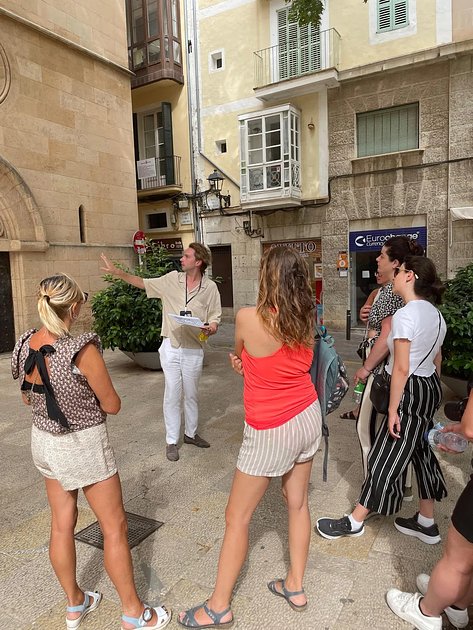
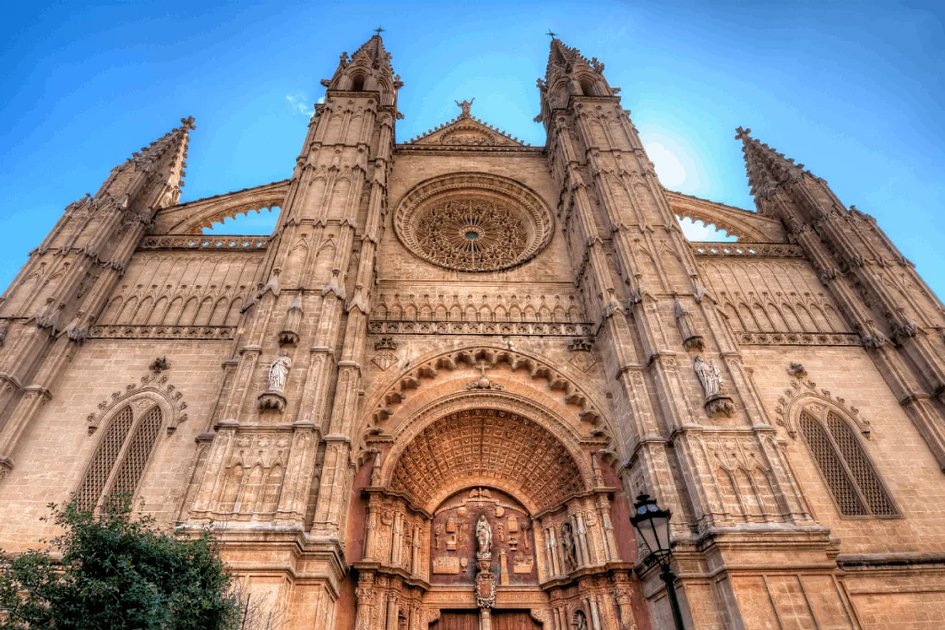
Visiting the Caves of Génova (right inside western Palma) or heading into the capital for dinner after Caves of Drach? Complement your underground exploration with a certified, tip-based historic walking tour of the capital's Gothic quarter and Cathedral.